
Maize-based feed at Lacadée Agro-Industrie
Corn products for livestock feed
Choosing a raw materiallivestock feed, this is not only a comparison of a price or product sheet. You must also secure your supplies, check the regularity of the lots and have clear traceability. At Lacadée Agro-Industrie, this logic is based on a family history started in 1936 around maize, and then extended to Mont, in the Pyrénées-Atlantiques, by a maize plant located as close as possible to the silos.
We are transforming conventional GM-free corn into flour, meal, gritz and co-products for feed professionals. Collection, drying, storage and first processing are part of the same chain continuity. You gain an interlocutor able to speak granulometrics, composition, health safety and industrial constraints with concrete bases.
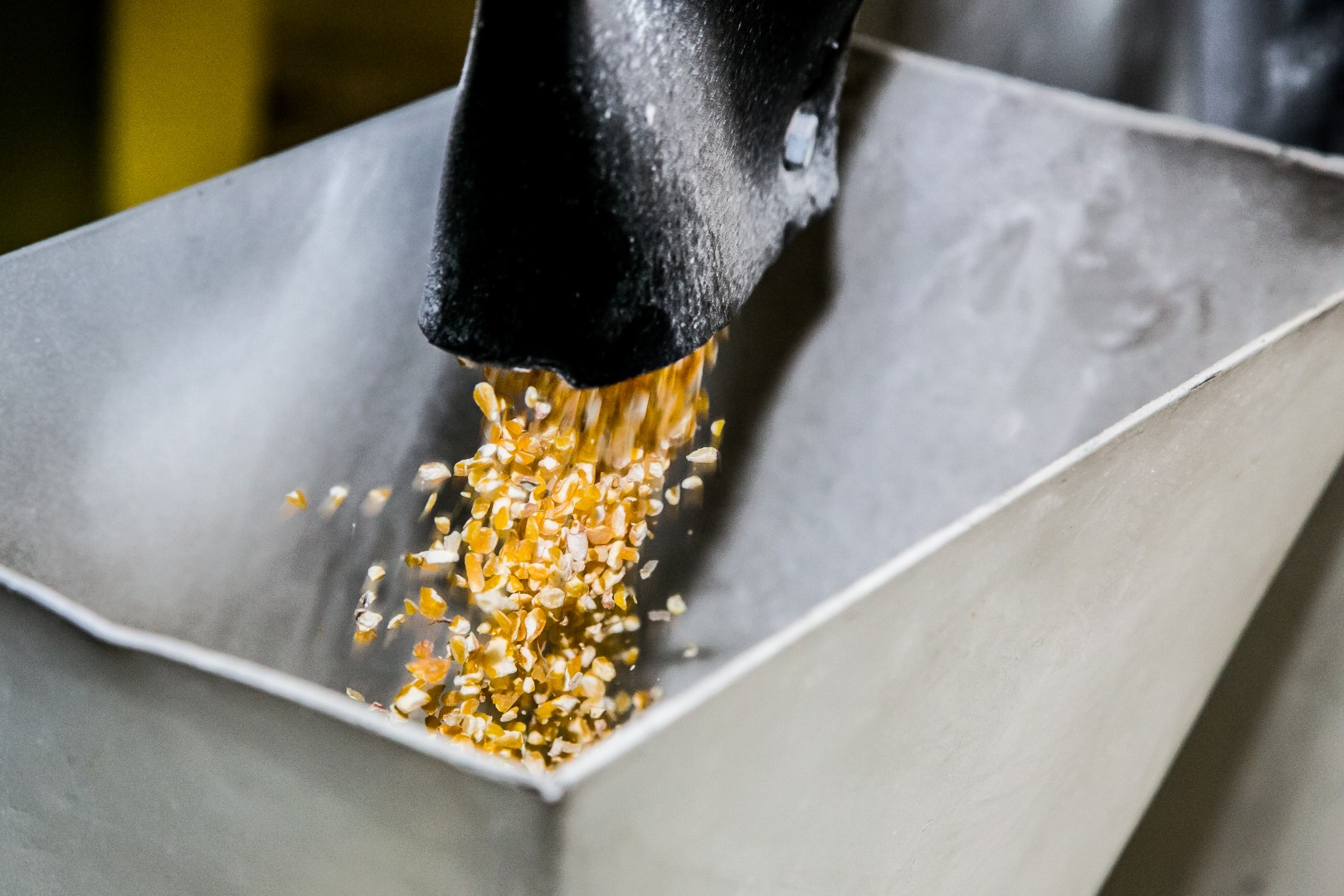
Which corn ingredients to choose for animal feed?
The choice of an ingredient depends on your formulation, species and process. The maize flour suitable for incorporations that require fine and regular particle size, with good homogeneity in compound foods or premixes.
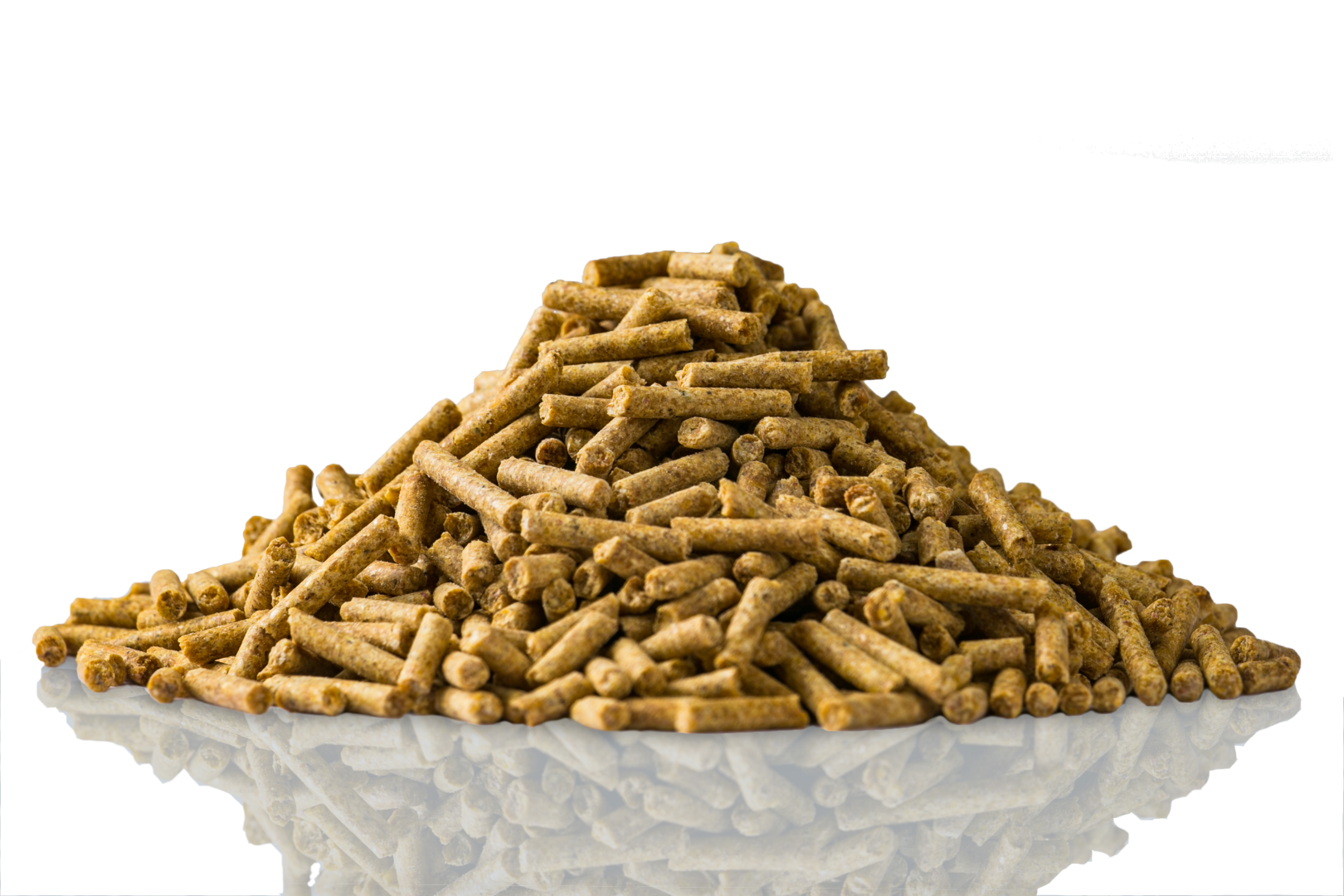
Depending on the rations and nutritional goals, you can also direct your purchases to corn co-products, such as feed meal or germ. These references are of interest to livestock feed manufacturers, cooperatives and certain livestock farmers who are looking for a plotted cereal raw material resulting from controlled mechanical processing.
When keeping in the process becomes a central criterion, the semoules et gritz make sense. Their behaviour in granulation or extrusion, their starch levels and the consistency of their grain size directly affect the stability of your manufactures. If you have a specific specification, you can request a technical exchange with the sales team.
Flours and co-products for animal rations
Corn flour is integrated into many animal feed formulations. Its finesse facilitates the mixing and consistency of recipes. Feed flour provides another approach to grain splitting, useful when looking for a raw material adapted to your ration cost and incorporation scheme.
Corn germ, for its part, attracts attention for its composition and uses in certain rations. For a buyer or a formulator, interest is not limited to the nature of the co-product. It also covers the repeatability of the batch, availability and ability of the supplier to document the material.
Soules, gritz and industrial uses
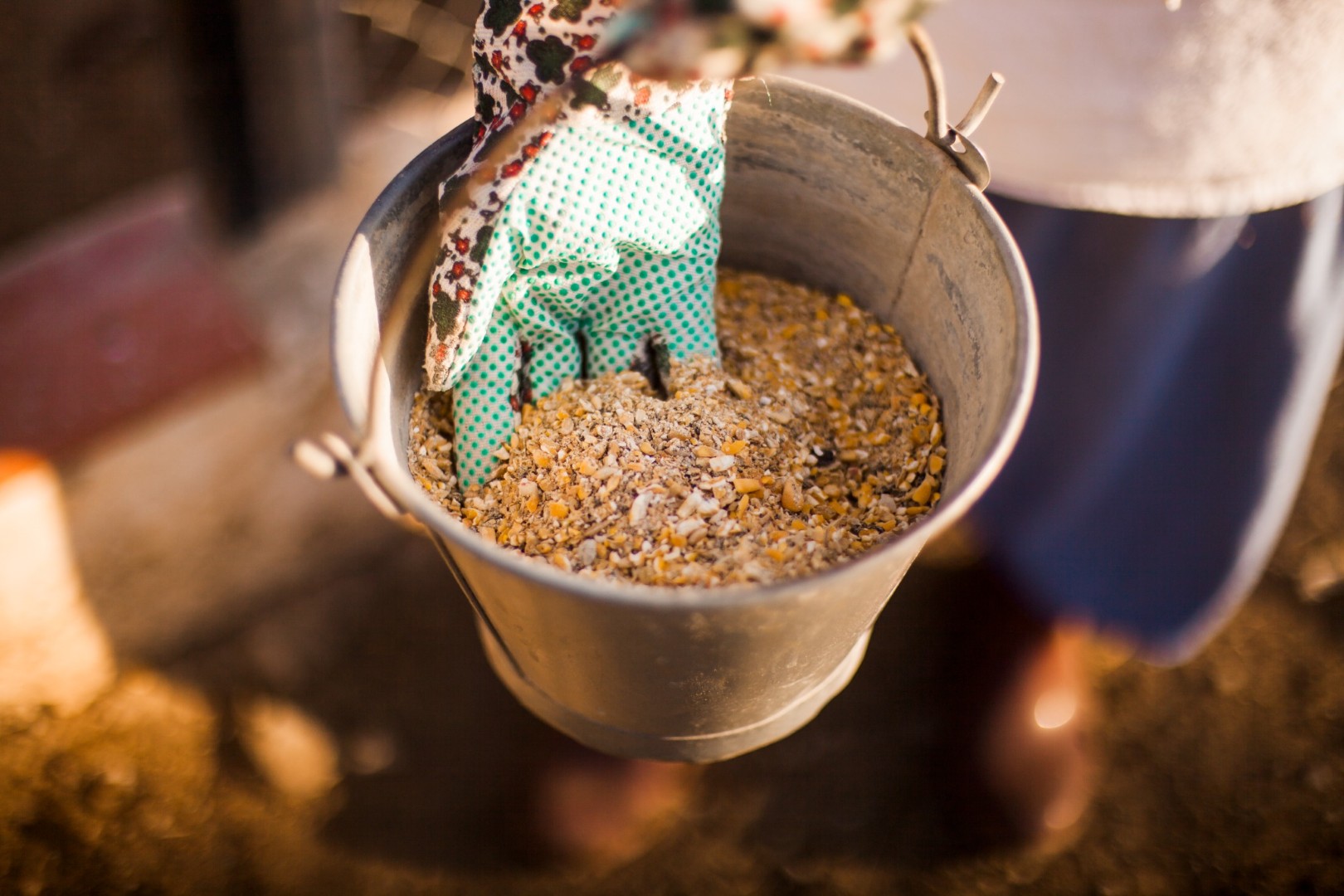
Corn meal and gritz are sought when controlling particle size influences the behaviour of the product in the factory. In pig, poultry or certain technical products, this regularity affects the fluidity of the process and the consistency of the mixtures.
If you are a source for a food factory, cooperative or specialized workshop, you need concrete elements: moisture, product handling, cleanliness of the material, batch-to-batch stability. It is precisely on this ground that the work of corn mill takes its value.
Lacadée Agro Industrie à Mont: a maize plant rooted in the maize sector
At Mont, in the 64th, the corn mill was developed in the late 1990s to extend an already well established historical activity in the southwest. This establishment in contact with the agricultural basin is not a detail. It directly links farmers' support, maize collection, drying, storage and its first processing.
For your purchases, this organization counts. You rely on a company that knows the grain upstream, not just on a processing site disconnected from the land. More than 50% of products are announced for export, with a presence in several European and international markets. This sustained activity reflects a habit of professional flows, both in France and outside France.
A controlled transformation to preserve nutritional qualities
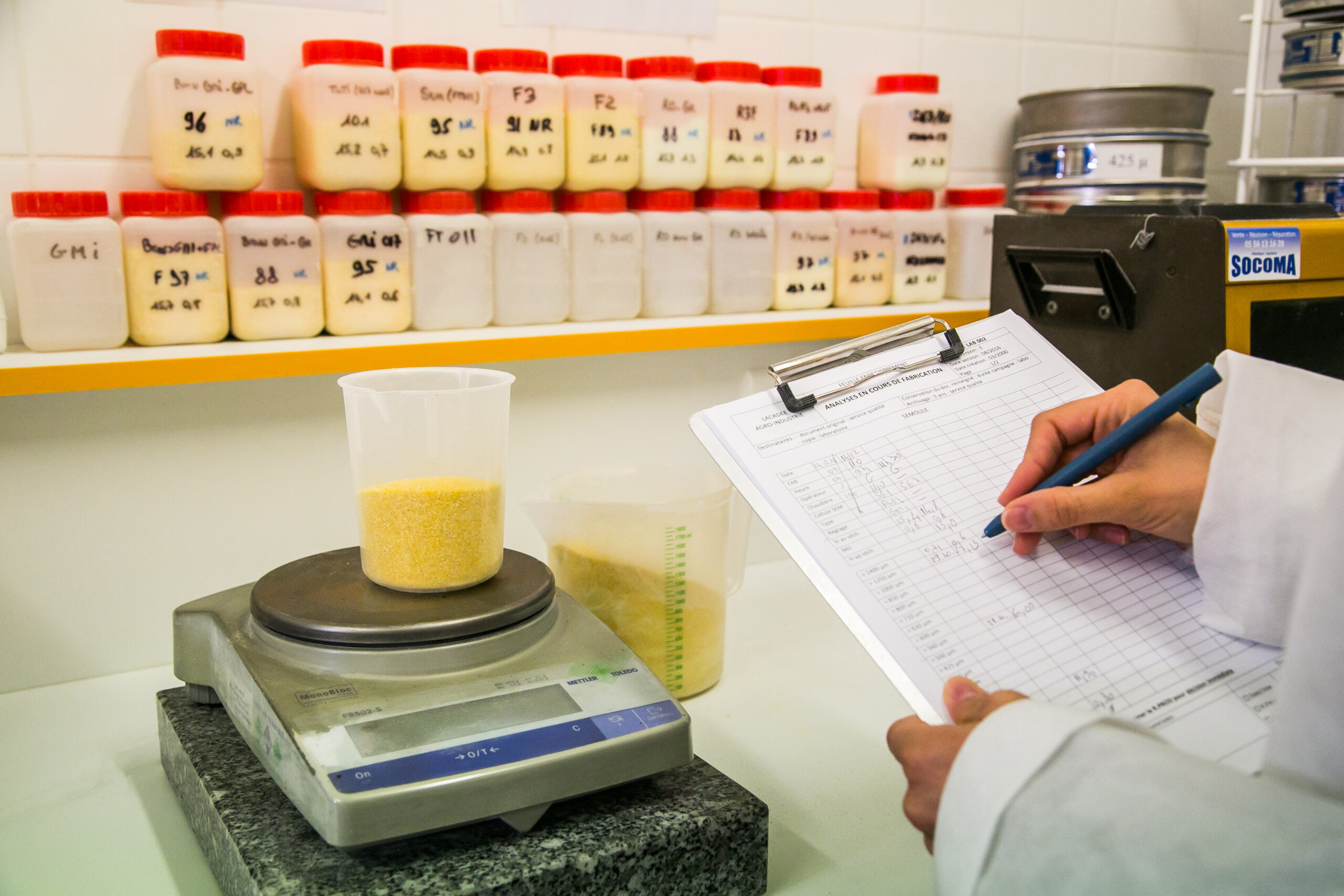
The value of a corn ingredient is used at each stage: grain cleaning, mechanical separation, particle size control, moisture monitoring, storage and shipping. This processing chain aims to deliver products consistent with your manufacturing constraints and health safety requirements.
Inspections related to hygiene, batch monitoring and analytical criteria are part of daily work. To go further on control plans, document tracking and management of sensitive points such as mycotoxins, visit our page quality and traceability.
Are you looking for a raw material for cattle, pigs, poultry or sheep with defined specifications? Send your specifications to the Mont team. You will receive a return on the most consistent reference with your usage and your supply mode.
Contact Lacadée, supplier of corn products for livestock feed
If you buy ingredients for lanimal feed, you must be able to move quickly on four points: nature of the product, specifications, volumes and logistics. Before your request, you can already consult our packaging and logistics to check shipping methods and prepare your supply.
Animal corn flour, meal, gritz, fodder flour, germ: every request deserves a clear exchange. Indicate your usage, monthly volume, desired packaging and delivery area. The sales team answers you with a proposal adapted to your business, in Mont, in the South-West, elsewhere in France or export.
Simple request for your purchases
You can request a quote, a technical sheet or a first exchange on your corn references. If your specifications require a precise particle size, humidity or packaging, mention it from the first message to speed up the study.
Useful contact for buyers and formulators
Responsible for purchasing, quality, R&D or production: you are looking for a supplier capable of accurately speaking product, lot and logistics flow. Write to Lacadée Agro-Industrie or call the Mont site to introduce your need. You will get a concrete feedback on product availability, use and supply conditions.
Feeding livestock well every day
The basics to be known for building a coherent ration and avoiding the most frequent errors in breeding.
What is the basis of livestock feeding?
The base is first a good forage. If grass, hay, straw or silage are poor, you are already leaving with a handicap in the ration.
Then we must cover what the animal really spends: energy, proteins, minerals and vitamins. And there is one point that is still underestimated too often: water. Clean water, fresh and available continuously, this is not a detail. A drunk who drinks badly eats less well, and it can quickly be seen on the state and production.
Should we supplement with concentrated foods?
Yes, as soon as the forage no longer covers the needs, it must be completed. This is often the case on growing animals, cows in production or when the forage stock is a little fair in food value.
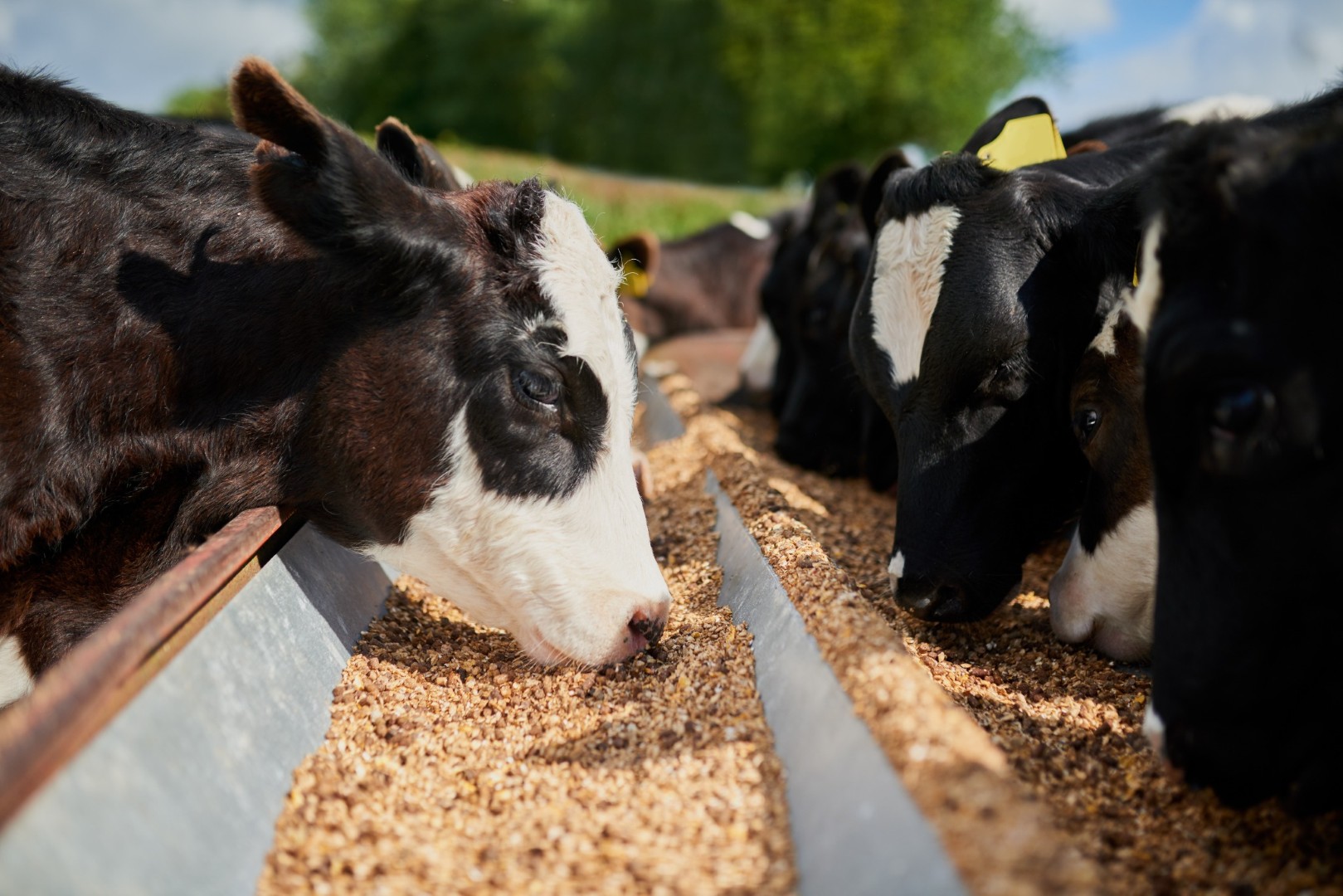
Cereals, cakes or sound are used to strengthen the ration of energy and protein. In practice, they are never added at once. One gradually climbs to let the rumen adapt. At Lacadée Agro-Industrie, forage flour from maize can also be used in this type of formulation according to the needs of livestock.
How to balance a cattle ration?
A balanced ration is not a frozen recipe. From the available forage, we adjust with concentrates and mineral corrector according to age, weight, body state and target.
For example, a heifer, a suckler cow and a dairy do not have the same needs at all. Same herd, same building, but not the same rations. Balance should also be reviewed according to the season and the actual quality of the stocks. A mineral intake that is followed remains essential, otherwise the differences eventually come out somewhere: appetite, growth, reproduction or production.
What mistakes should be avoided in livestock feeding?
The first mistake is to change the ration too fast. Switching from one food to another, or loading into concentrates without transition, is the best way to deregulate digestion.
Moisturized, heated or dubious foods should also be removed without hesitation. What is thought not to lose on one side can be expensive behind a decrease in ingestion or health care. Finally, keep an accurate eye on the quantities distributed. A well-thought-out ration on paper is worthless if, at age, the deviations are repeated every day. If you are working on raw materials from corn, it is also best to choose the ingredients that are traced and controlled, as Lacadée Agro-Industrie does on its production.