
Corn use: solutions for each industry
What are the main uses of maize in the industry?
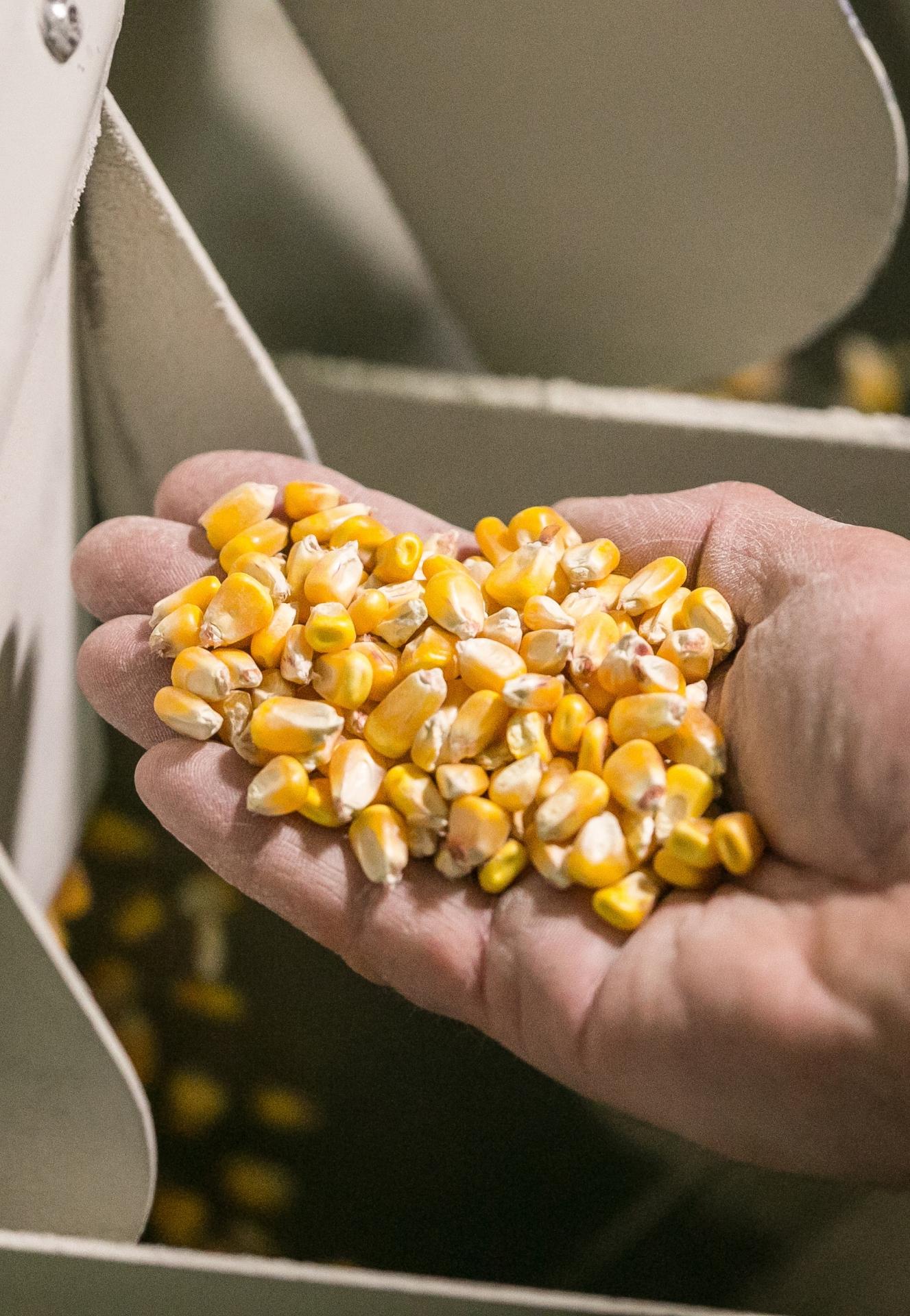
Corn can meet many industrial needs depending on how it is processed. Flour, meal, gritz, germ or fodder flour have different characteristics and are selected according to the process and the finished product sought.
At Lacadée Agro-Industrie, this diversity allows to accompany several sectors:
- breweries,
- snack manufacturers,
- pet food,
- livestock feed,
- biscuit and bakery,
- prepared dishes
- breakfast cereals
Our mastery of the field, from the collection of maize to its first processing, allows us to propose to the industrialists a trace material, from conventional maize without GMOs and followed batch after batch.
Use of maize in breweries
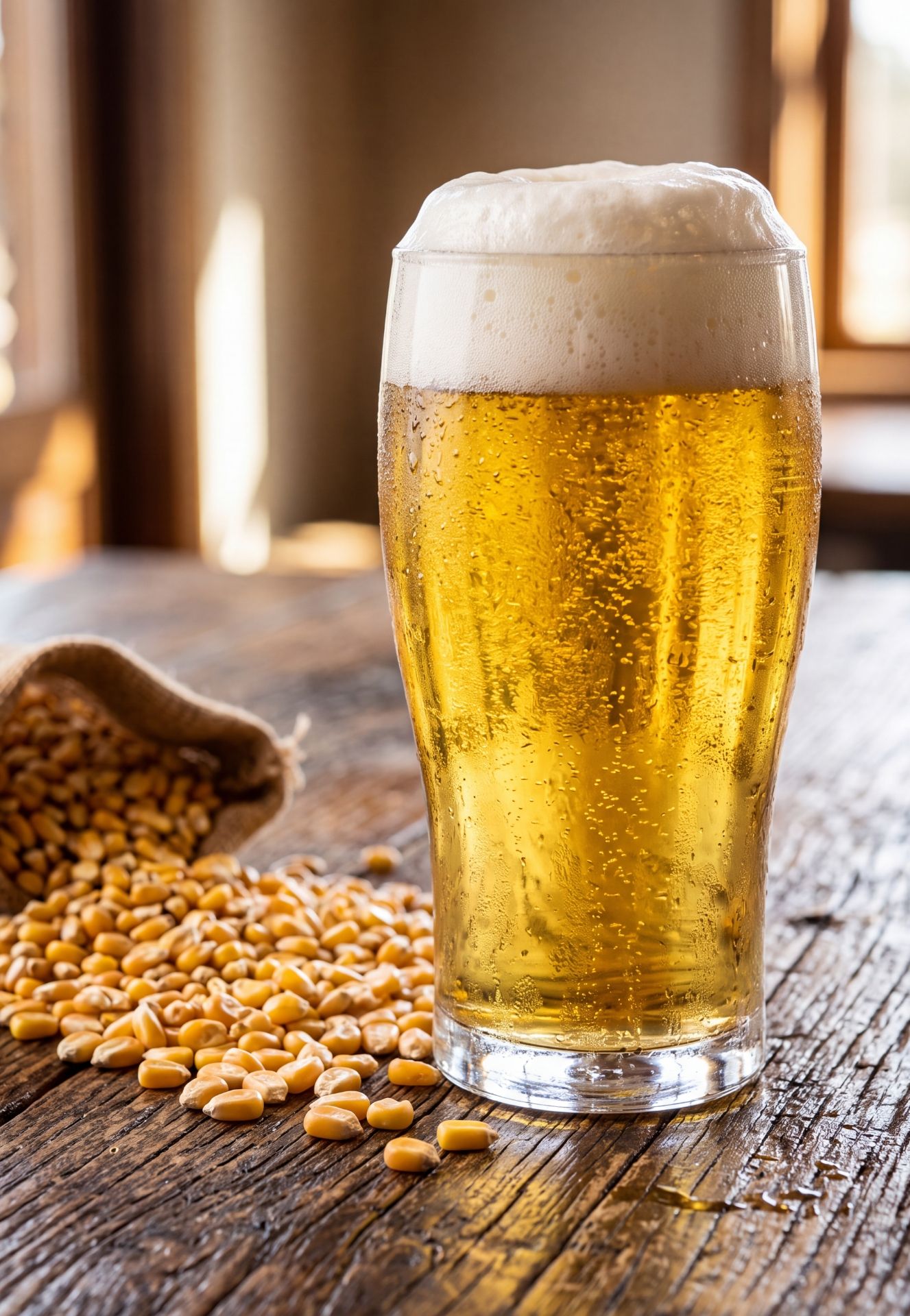
For breweries, Lacadée proposes in particular the corn gritz, used in addition to malt in the beer manufacturing process. Its high starch content and fermentable extract exceeding 90% make it a particularly suitable product for this application.
For brewers, regularity is essential: grain size, moisture and batch consistency may have a direct impact on product behaviour during the process. The monitoring of the material and the control of its processing enable Lacadée to meet the technical requirements of the breweries and to secure regular supplies in France as well as export.

Corn in the manufacture of snacks
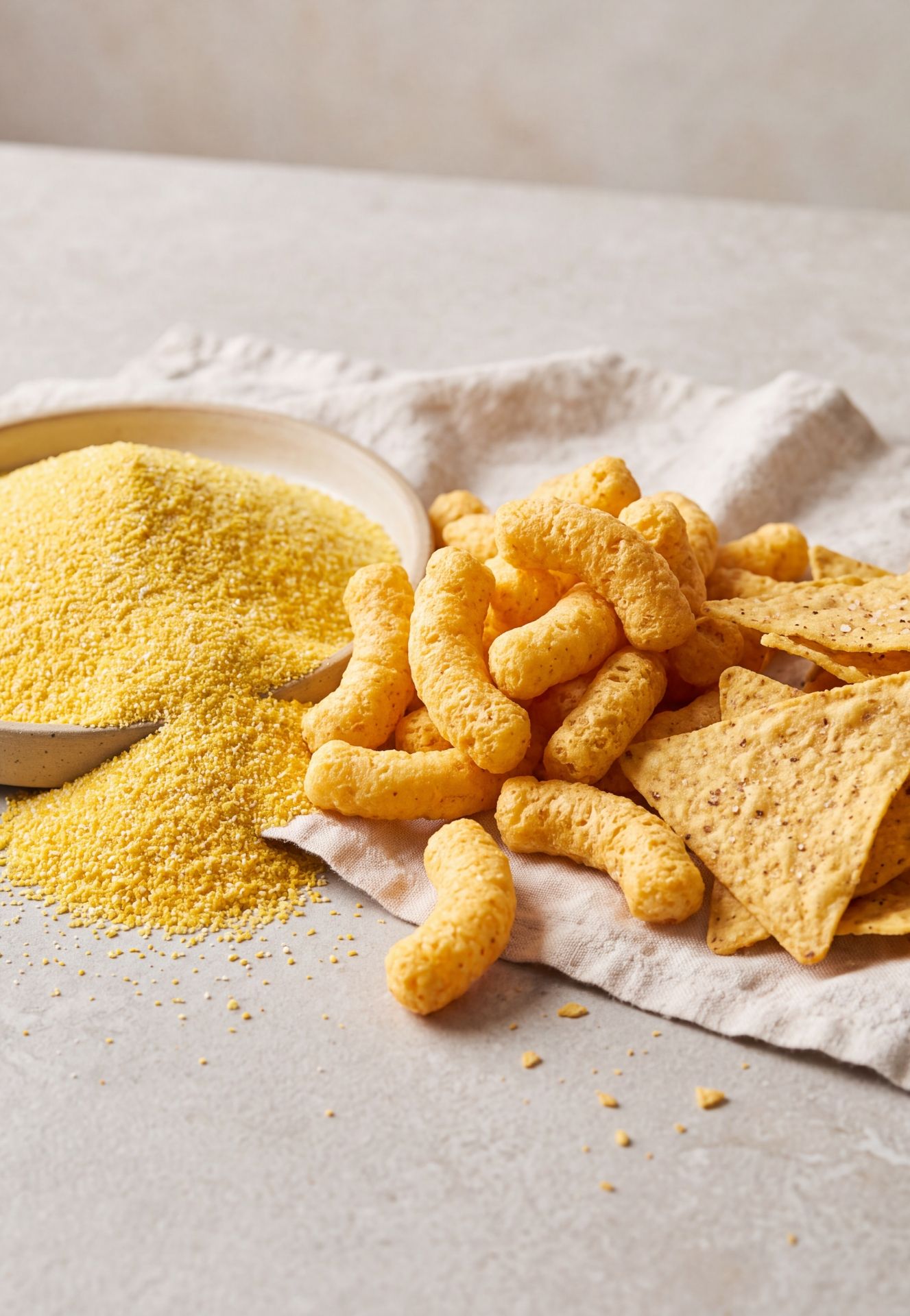
In the snacking industry, the characteristics of maize must be adapted to the constraints of the production lines and in particular to the processes of extrusion.
Lacadée mainly offers corn meal of different grain sizes, to which flours can be added according to the formulations.
A calibrated meal helps to control the behaviour of the material during extrusion and the characteristics sought in the finished product. The regularity of grain size and batches is therefore an important point for manufacturers of aperitif snacks and other extruded cereal products.
Use of maize in pet food
For manufacturers of pet foodprocessed corn may enter different formulations according to the nutritional and technical characteristics sought.
The maize flour proposed by Lacadée are, in particular, a regular raw material that can be integrated into pet feed receipts.
For formulation, procurement and production teams, the quality of the ingredient must also be constant. Lacadee thus ensures that parameters such as moisture, particle size, cleanliness and batch conformity, with traceability from raw material to processed product.
Feed flour and feed germs
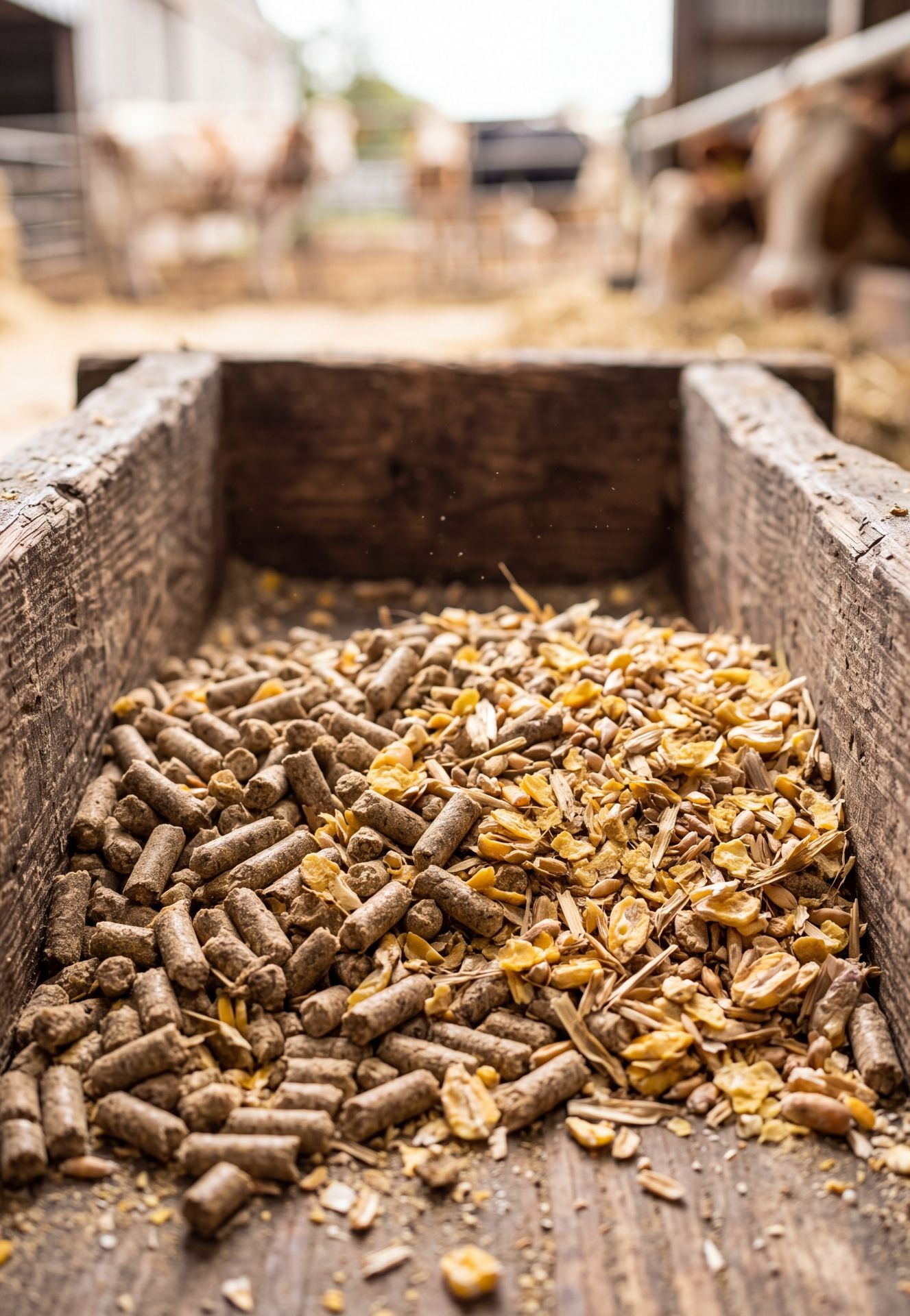
Maize processing also produces fractions valued at feed, including livestock. For this, we propose maize germs and the simple or granulated fodder flours.
Maize germs, rich in protein and fat and with a high degree of digestibility, may be incorporated into formulations intended for use in particular in the manufacture of cattle, pigs and sheep.
Feed flours from grain milling and rich in starch can be used for feeding ruminants. This valorisation of the different fractions allows food manufacturers to have raw materials from the same corn chain followed and traced.
Use of maize flour in biscuits and bakeries
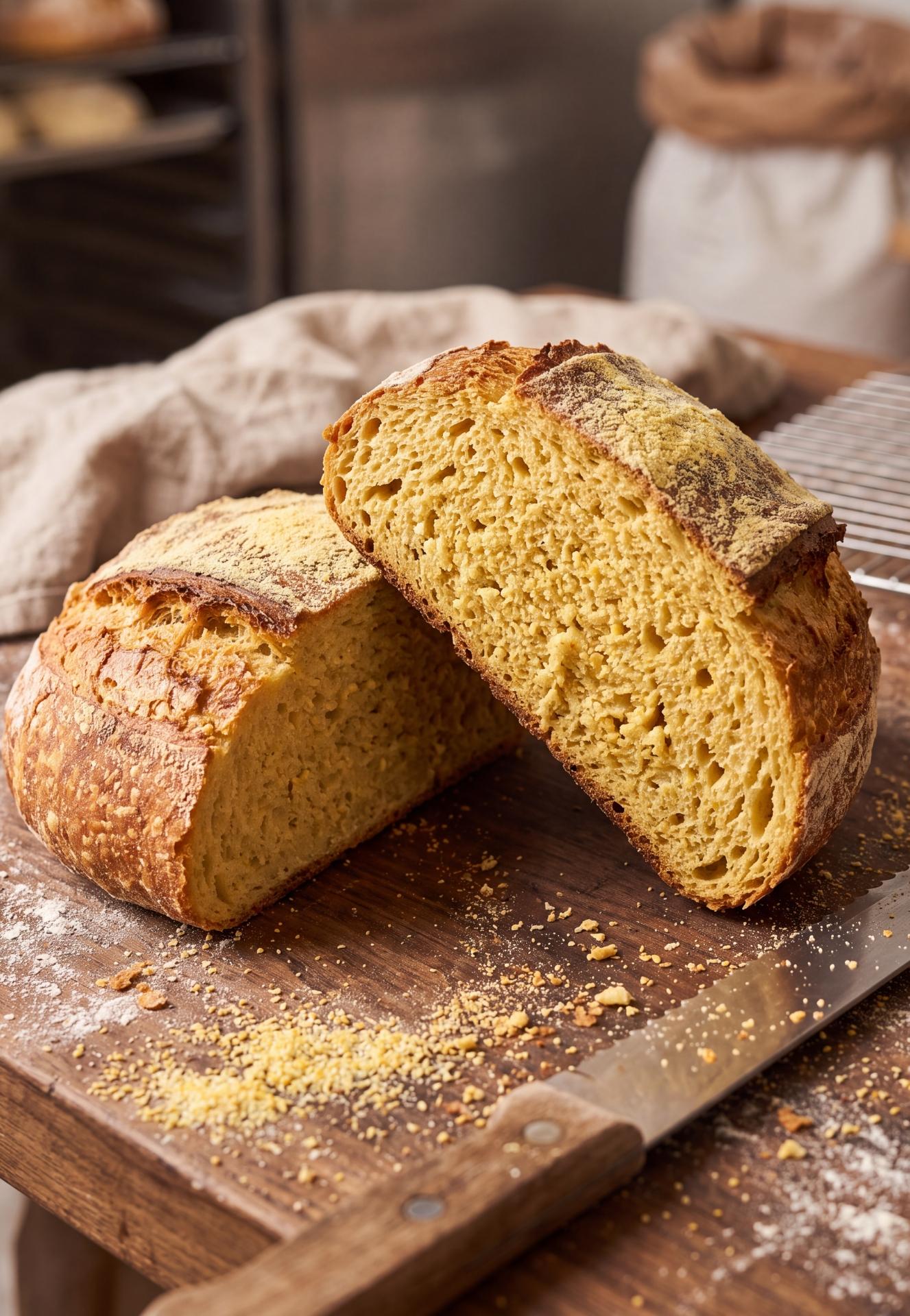
In biscuit and bakery, corn flour allows to diversify the formulations and to bring the specific characteristics of corn in terms of texture, colour and taste profile. The flours supplied by Lacadée are obtained by mechanical processing of the grain, without addition or additive.
Fine milling and regularity of batches are particularly important for industrialists who are looking for a raw material that can consistently integrate with their recipes. Corn flour is also a naturally gluten-free raw material, an asset for the development of specific ranges.

Corn in prepared dishes, sauces and soups
The maize flour may also be used in various food preparations and mixtures used by manufacturers of prepared dishes, sauces or soups. Its finesse facilitates its incorporation into formulations requiring a homogeneous and regular raw material.
For these applications, Lacadée can exchange with R&D and production teams on particle size, desired characteristics and process constraints. The aim is to identify a flour consistent with the formulation and to ensure sufficient regularity
one lot to another.
Corn sole in breakfast cereals
The manufacturers of breakfast cereals may in particular use maize meal in their manufacturing and extruding processes. Depending on the product sought, the choice of particle size plays an important role in the behaviour of the material during its transformation.
Lacadee offers different granulometry of semolina in order to meet the constraints of the industrialists and the characteristics expected in their finished products. These meal may be used in particular for the manufacture of corn flakes, extruded cereals or cereal barswith a monitoring of the material intended to ensure the regularity of production.
Lacadée, spécialiste de la transformation du maïs pour les industriels
Since 1936, Lacadée has been developing its expertise around maize in the South West. Located in Mont, in the heart of the maize basin, our maize plant is part of an organisation that ensures continuity between collection, drying, storage, processing and marketing.
This mastery makes it possible to propose to the industrialists flour, meal, gritz, germs and corn co-products with an identified origin, traceability of the lots and characteristics followed. The maize used is conventional without GMOs and more than 50% of the volumes are destined for export.
Do you have a specific application? Transmit us the desired product, your process, the expected particle size, your volumes, your packaging and your destination. Our teams will be able to study your specifications and direct you to the solution adapted to your business.
Your questions before working with Lacadée
Changing or referring a supplier of corn products means securing quality, regularity and supply. Here are the answers to the main points of vigilance of your purchasing, quality and production teams.
How do you ensure the regularity of your products from one lot to another?
Regularity begins from the raw material. Lacadée has mastered several stages in the field of collection during drying and storage, until processing of maize on his site in Mont. Monitoring of parameters such as humidity, particle size, cleanliness of the material and batch compliance helps to limit the variations that may impact your production.
Can you work from our specifications?
Yes. Our teams can study your technical specifications, desired particle size, application, packaging, volumes and constraints related to your process. The objective is to check upstream the match between our products and the requirements of your industrial site.
What traceability can you bring to your products?
The organisation of Lacadée ensures that the material is monitored from the collection of maize to the processed product. This continuity gives purchasing and quality services a origin identified, follow-up of batches and documented checks, useful in particular when referencing or auditing suppliers.
What quality controls are carried out on your products?
Different parameters are followed according to the products, including moisture, particle size, cleanliness and health safety. Controls and analyses are also used to monitor the risks associated with mycotoxins. Available items can be exchanged with your quality teams according to your folder.
What kind of corn do you use?
Lacadée Agro-Industrie works from conventional non-GMO corn, collected in the heart of the southwestern corn farming basin. The proximity of the collection, storage facilities and the maize plant helps to ensure the continuity and traceability of the chain.
Can you secure supplies internationally?
Lacadée already has an activity with a strong international focus, with more than 50 % of its exported volumes. The company supplies markets such as Spain, Switzerland, the United Kingdom, Poland, Sweden, Denmark and South Korea. Logistical modalities are studied according to your destination, volumes and packaging.